Phase One
Discuss what needs attention during growth and which appliance or approach would address that specific issue.
 Request a free consultation
Some children benefit from an early phase of care, time to grow, and a later phase once more permanent teeth have come in.
Understand this approach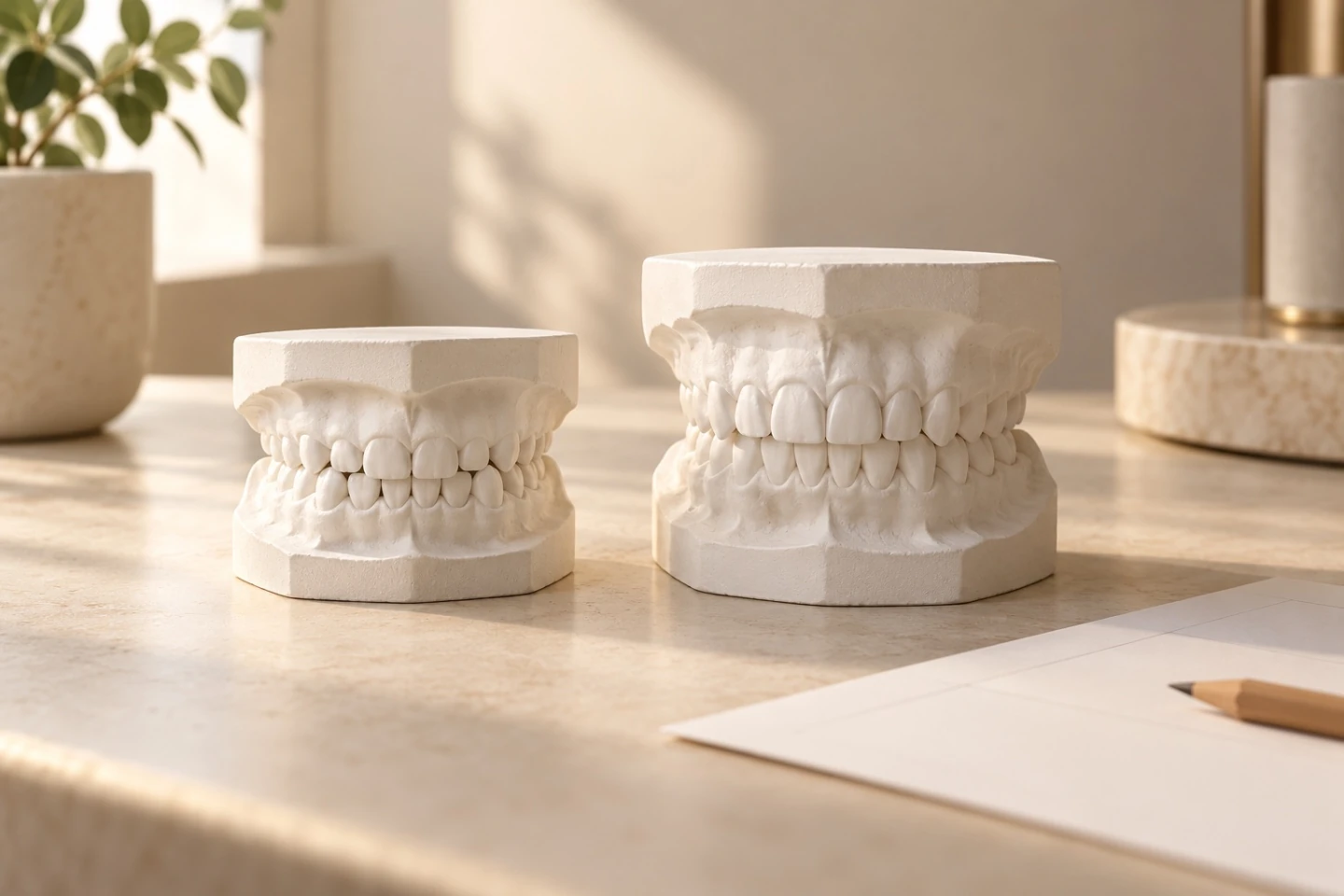
In a two-phase plan, Phase One addresses a defined developing concern while a child is still growing. An observation period follows as additional permanent teeth erupt.
Phase Two may then focus on the final positions of teeth and the way the bite fits together. The need, goals, timing, and appliances in each phase depend on the individual child.
Your clinical needs and practical questions both belong in the discussion.
Discuss what needs attention during growth and which appliance or approach would address that specific issue.
Regular check-ins can track growth and tooth eruption between active phases.
Later care, when needed, refines tooth positions and bite. Ask how its goals differ from the first phase.
An individual evaluation is the place to understand whether this approach fits your needs.
Ask what the first phase is meant to accomplish and how progress will be assessed.
Discuss what happens during the observation period and when the next evaluation is expected.
Request an explanation of likely later treatment and the fees associated with each phase.
Bring any questions specific to your smile or your child’s care.
No. Two-phase care is considered for particular developmental needs. Many children can be monitored and treated later in a single phase if treatment is needed.
Not necessarily. Your child’s plan should explain whether a later phase may be needed and what it would address.
Meet Dr. Peralta for a complimentary consultation in Burien or West Seattle.
Request a free consultation