
A little understanding.
A clearer conversation.
Names for the things you may have noticed. Explore common bite and alignment concerns, with patient examples from Dr. Peralta’s practice.
A guide to help you ask questions. Your own care starts with an individual evaluation.
Crowding
When teeth need more room
Crowding describes teeth that overlap or sit out of line because there is not enough room for them to fit comfortably in the dental arch.
“What is contributing to the lack of space, and what options could address it?”
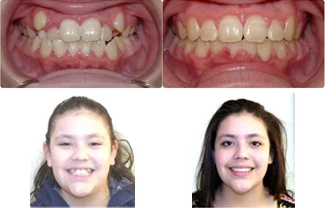
Individual treatment plans and results vary.
Spacing
When there are gaps between teeth
Spacing describes gaps between teeth. Tooth size, missing teeth, and the relationship between the teeth and jaws can all be part of the picture.
“What is causing the spaces, and how would that affect my treatment plan?”
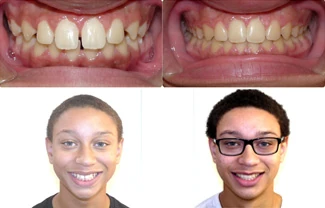
Individual treatment plans and results vary.
Deep overbite
When the upper teeth overlap more deeply
A deep overbite describes an increased vertical overlap of the upper and lower front teeth when the back teeth come together.
“How do my front teeth meet, and is that something we should address?”
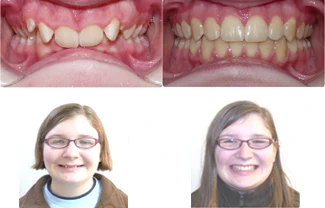
Individual treatment plans and results vary.
Protruding teeth
When front teeth sit farther forward
Protruding teeth sit or angle noticeably forward. An evaluation considers the position of the teeth alongside the relationship between the jaws.
“Is this mainly about tooth position, the relationship between my jaws, or both?”
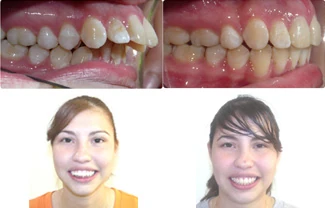
Individual treatment plans and results vary.
Underbite
When the lower front teeth sit ahead
An underbite describes lower front teeth positioned in front of the upper front teeth when biting together. Tooth position and jaw relationships both matter in understanding it.
“What does my bite tell us about the options and timing of care?”
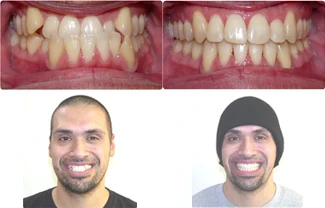
Individual treatment plans and results vary.
Crossbite
When some upper teeth sit inside the lower teeth
A crossbite occurs when one or more upper teeth bite inside the lower teeth. It can involve the front teeth, the back teeth, or both.
“Which teeth are involved, and what should we consider when planning care?”
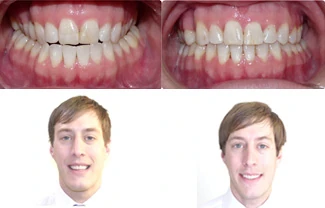
Individual treatment plans and results vary.
Open bite
When teeth do not meet
An open bite describes a gap between opposing teeth when other teeth are biting together. An evaluation looks at where the gap occurs and what may be contributing to it.
“What is contributing to the open bite, and how would we plan for it?”
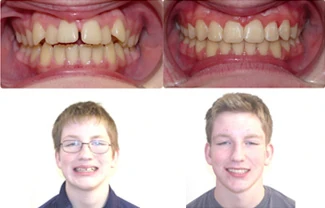
Individual treatment plans and results vary.
Midline mismatch
When the centers do not line up
A midline mismatch means the center between the upper front teeth does not align with the center between the lower front teeth. It is considered in the context of the whole bite.
“How does the difference between my dental midlines fit into the bigger picture?”
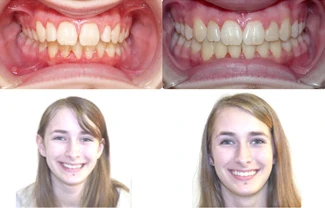
Individual treatment plans and results vary.
A concern is a starting point.
Your plan is personal.
Different people can have similar-looking concerns and different care needs. Explore the treatment guide, then bring your questions to Dr. Peralta.
Explore the full treatment guideYour smile.
Your next step.
Request a complimentary consultation in Burien or West Seattle.
Request a free consultation