Assess the whole bite
The position of teeth, jaw relationship, facial balance, and growth are considered together.
 Request a free consultation
Orthodontic evaluation can also consider how the upper and lower jaws relate to each other, particularly while a patient is still growing.
Understand this approach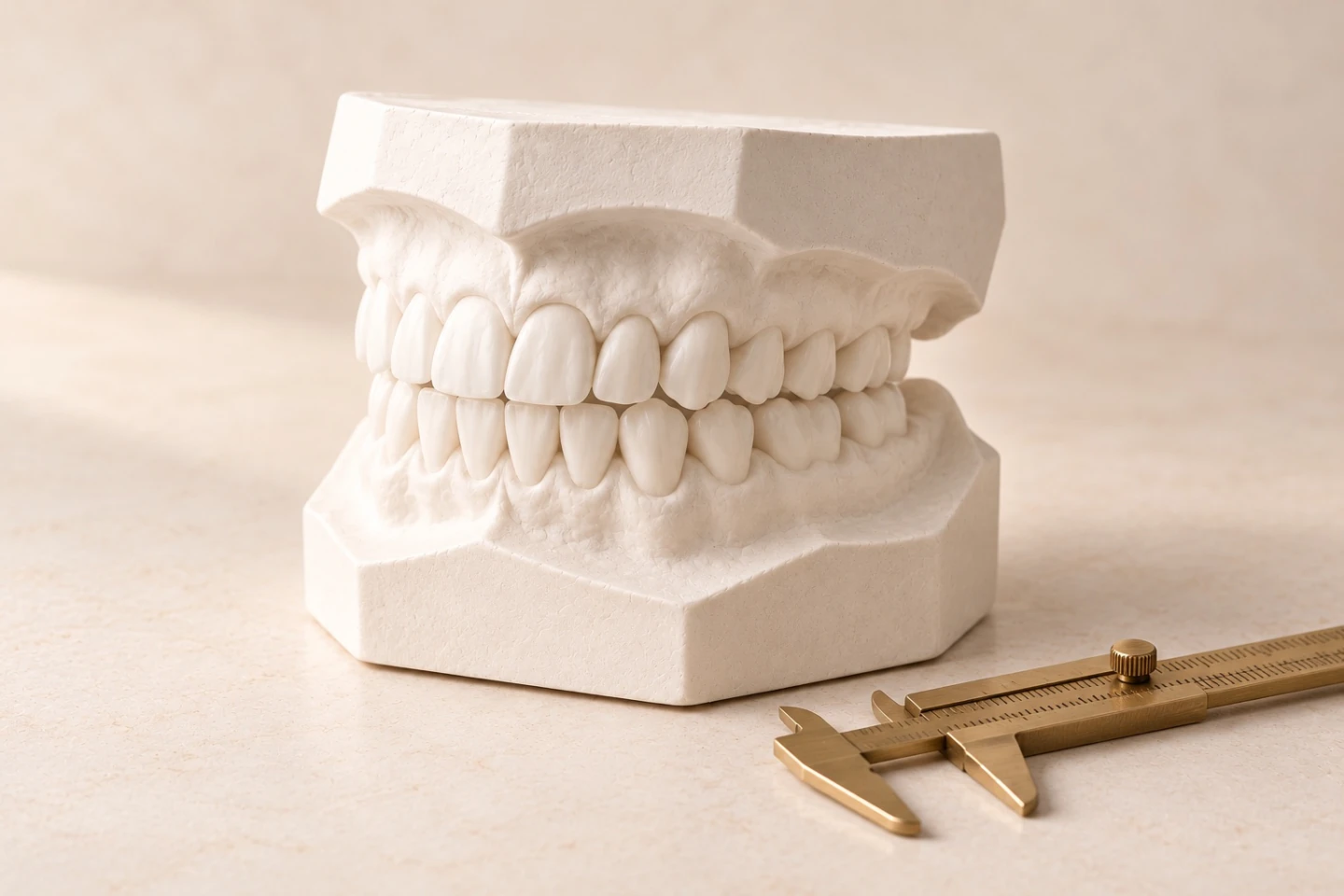
Dentofacial orthopedics addresses the relationship and growth of the jaws as part of orthodontic planning. It is distinct from simply moving individual teeth.
Care may involve growth guidance and, for some complex situations, collaboration with other specialists. The right approach depends on the cause of the concern, growth stage, and clinical evaluation.
Your clinical needs and practical questions both belong in the discussion.
The position of teeth, jaw relationship, facial balance, and growth are considered together.
Growth-related approaches depend on a patient’s development. An early evaluation helps clarify whether monitoring or action is appropriate.
More complex jaw differences may call for input from other dental or surgical specialists.
An individual evaluation is the place to understand whether this approach fits your needs.
Ask whether the concern involves tooth positions, jaw relationships, or both.
Discuss which changes might be addressed during growth and which need a different approach.
Request a clear explanation of any specialist collaboration that is proposed.
Bring any questions specific to your smile or your child’s care.
No. Growth-related orthopedic care and corrective jaw surgery are different approaches. Your evaluation determines what is relevant to you.
Growth-related treatment is often discussed for children and teens, while adults with jaw concerns may have different options. Dr. Peralta can explain the distinction.
Meet Dr. Peralta for a complimentary consultation in Burien or West Seattle.
Request a free consultation