Understand the diagnosis
Ask which part of the concern is related to teeth and which part is related to the jaws.
 Request a free consultation
For some jaw differences, orthodontic planning may be coordinated with corrective jaw surgery and the specialists who provide it.
Understand this approach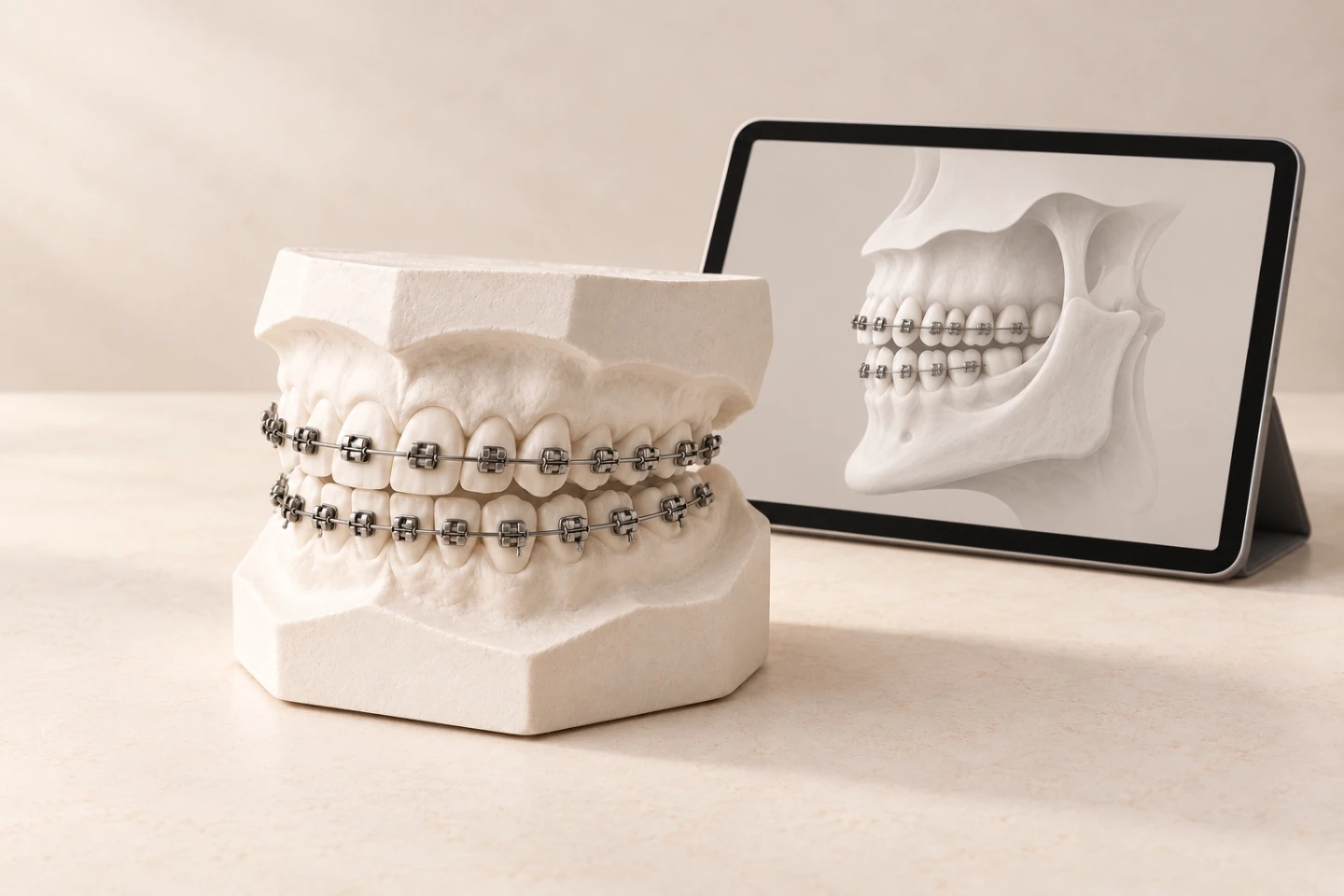
Orthognathic surgery, also called corrective jaw surgery, addresses selected skeletal jaw concerns. Orthodontic care may take place before and after surgery to align teeth with the planned jaw positions.
The decision requires a thorough evaluation and a discussion with the appropriate surgical team. This page is an introduction to the coordinated process, not an indication that surgery is needed for any particular symptom.
Your clinical needs and practical questions both belong in the discussion.
Ask which part of the concern is related to teeth and which part is related to the jaws.
If surgery is considered, understand the roles of the orthodontist, surgeon, and any other relevant clinicians.
A coordinated plan should explain assessment, orthodontic preparation, surgery, recovery, and any finishing treatment.
An individual evaluation is the place to understand whether this approach fits your needs.
Discuss the concern and any prior dental or medical assessments.
Ask what additional records or specialist evaluation would be needed.
Request a clear description of the proposed sequence, alternatives, and separate costs.
Bring any questions specific to your smile or your child’s care.
No. Many bite concerns are treated without surgery. An evaluation is needed to understand the cause and appropriate options.
Corrective jaw surgery is performed by a qualified surgical specialist. Orthodontic care may be coordinated with that specialist when appropriate.
Meet Dr. Peralta for a complimentary consultation in Burien or West Seattle.
Request a free consultation